


Choosing where to live during retirement is a personal decision. For some older adults, the family home still feels like the right place. For others, keeping up with the house, managing everyday responsibilities, or feeling isolated can make them consider a different arrangement.
Independent living offers another option. It allows older adults to enjoy their own private living space while having access to services, amenities, and opportunities to connect with others. But what does independent living actually involve, and how do you know whether it is the right choice?
Here is what seniors and families should understand before making a decision.
What Is Independent Living?
Independent living is a type of senior housing designed for older adults who can manage their everyday activities without regular personal care but would prefer a more convenient and socially connected lifestyle.
Residents typically live in private apartments, follow their own schedules, and decide how they want to spend their days. The difference is that many of the responsibilities that come with maintaining a traditional home are taken care of, and shared amenities and activities are available within the community.
For example, someone who enjoys cooking might still want an apartment with a full kitchen. They may also appreciate having housekeeping, dining options, transportation, and social activities available when needed.
The idea is not to give up independence. It is to make everyday life easier while keeping control over personal choices and routines.
What Does Independent Living Include?
The services and amenities included in independent living vary from one community to another. Some offer a basic apartment with a few shared spaces, while others provide a broader range of dining, wellness, and lifestyle services.
Common features may include:
- Private apartments: Personal living spaces that allow residents to bring their furniture, belongings, and familiar routines.
- Housekeeping and maintenance: Help with routine cleaning and property upkeep, reducing the work involved in maintaining a home.
- Dining options: Restaurant-style meals or communal dining areas, depending on the community.
- Fitness and recreation: Exercise classes, fitness facilities, swimming pools, and other opportunities to stay active.
- Social activities: Group outings, cultural events, hobby groups, and informal opportunities to meet other residents.
- Transportation: Scheduled transportation for certain appointments, shopping trips, or community outings.
- Convenient services: Depending on the location, this may include laundry, salon services, or other everyday conveniences.
It is important to look beyond the amenities listed in a brochure. Ask which services are included in the monthly fee, which cost extra, and whether they are available every day.
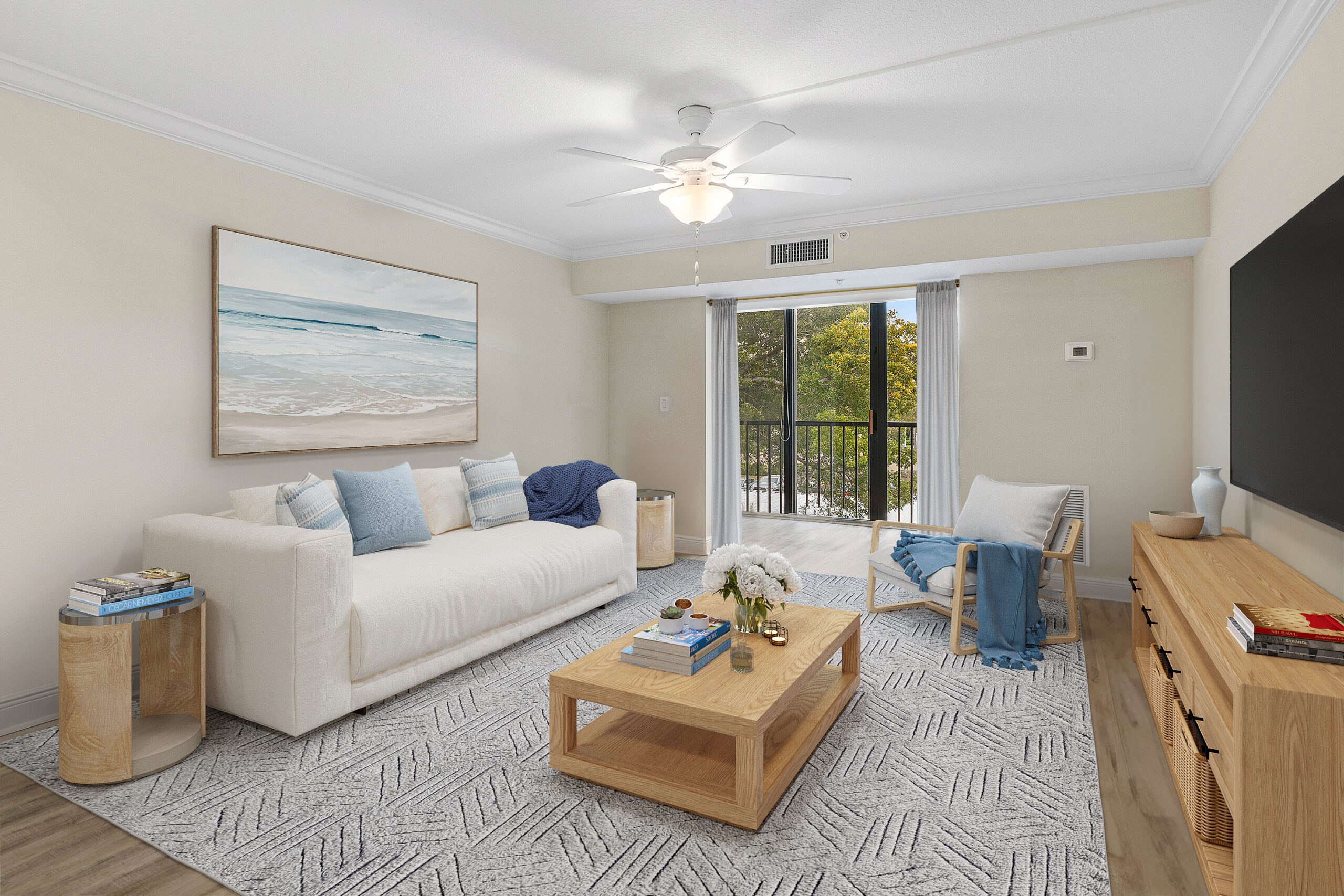
At Cascades at Delray, independent living includes apartment options ranging from studios to two-bedroom layouts, along with amenities such as weekly housekeeping, dining, scheduled transportation, a fitness center, and social activities.
Who Is Independent Living Right For?
Independent living can be a good fit for someone who is comfortable managing daily activities but no longer wants the responsibilities that come with maintaining a house.
You might consider it if:
- You are spending more time and money on home repairs, cleaning, and yard work than you would like.
- You want more opportunities to socialize and meet people with similar interests.
- Driving, shopping, or arranging transportation is becoming less convenient.
- You would enjoy having meals, activities, and amenities closer to home.
- You want to simplify your routine without moving in with family or relying on regular assistance.
It is not necessary to wait until living at home becomes difficult or unsafe. Some people explore independent living while they are still active and healthy because they would rather make a planned move than wait for an unexpected event to force a decision.
What Age Can You Move Into Independent Living?
There is no single age that determines when someone should move into independent living. Many communities set a minimum age, often 55 or 62, but eligibility requirements vary.
At Cascades at Delray, independent living is designed for adults aged 62 and older.
Age alone, however, does not determine whether a community is appropriate. The more important consideration is whether the person can manage daily life independently and whether the available services match their needs.

What Is the Difference Between Independent Living and Assisted Living?
The main difference is the amount of personal support provided.
Independent living is intended for older adults who can manage their daily routines without regular help with personal care. Assisted living is designed for people who need additional support with activities such as bathing, dressing, mobility, or medication management.
| Independent Living | Assisted Living |
|---|---|
| For seniors who manage daily activities independently | For seniors who need help with some daily activities |
| Residents manage their own personal care | Staff provide assistance based on individual needs |
| Focuses on convenience, lifestyle, and social connection | Combines residential living with personal care support |
| Typically does not include ongoing personal care | Includes support with daily living and wellness needs |
If someone is beginning to struggle with everyday tasks, it is worth discussing whether assisted living would be a safer and more appropriate option.
Independent Living vs. Aging in Place
Aging in place means remaining in your current home as you get older, potentially making changes to the property or arranging outside services to support your needs.
Independent living involves moving into a community where certain services and amenities are already available.
Neither option is automatically better. The right choice depends on personal preferences, finances, health, family support, and the condition of the current home.
For someone with a strong support network and a home that is easy to maintain, aging in place may work well. Someone who wants fewer household responsibilities and more regular social interaction may prefer independent living.
It is also worth considering how practical each option will be in the coming years, rather than focusing only on what works today.
Does Independent Living Include Medical Care?
Independent living generally does not provide the same level of medical or personal care as assisted living or a skilled nursing facility.
Residents are usually responsible for managing their own medications, appointments, and personal care. They may continue seeing their existing doctors and arrange outside healthcare services when needed.
If a person requires regular assistance with medication, bathing, dressing, or mobility, independent living may no longer meet their needs.
Some communities offer additional levels of care on the same campus. This can be helpful if a resident’s circumstances change, although the availability of services and the process for moving between care levels should always be discussed with the community.
For families comparing options, it is useful to understand the difference between memory care and skilled nursing and rehabilitation as well. If you are unsure when a loved one needs more support, When Is It Time for Memory Care? may help.
How Much Does Independent Living Cost?
The cost of independent living depends on several factors, including the location, apartment size, services, dining arrangements, and amenities offered.
Some communities charge a monthly rental fee, while others require an entrance fee or buy-in payment in addition to ongoing costs.
When comparing prices, make sure you understand what is included. A community with a lower monthly rate may charge separately for housekeeping, meals, transportation, or other services. Another may include more of these expenses in one monthly payment.
Before making a decision, ask for a clear breakdown of:
- Monthly rent and any entrance or community fees
- Meals and dining options
- Housekeeping and laundry
- Utilities, internet, and cable
- Transportation
- Additional services and activities
- How rates may change over time
The goal is to understand the full cost of living there, not just the advertised starting price. If care needs may come into the picture, How to Pay for Assisted Living covers the payment options.
What Should You Look for When Choosing an Independent Living Community?
Visiting a community is one of the best ways to understand what daily life might actually feel like. Photos and brochures can explain the facilities, but spending time there gives you a better sense of the atmosphere and the people.
During a visit, consider the following:
- The apartments: Are the layouts comfortable? Is there enough storage? Can you bring your own furniture? Does the space feel like somewhere you would enjoy living?
- The daily atmosphere: Do residents seem comfortable and engaged? Are people spending time together naturally, or does the community feel quiet and disconnected?
- The activities: Is there a variety of things to do? Are activities optional, and can residents choose how involved they want to be?
- The services: Ask exactly what is included in the monthly cost and whether additional services are available when needed.
- The staff: Do team members take time to answer questions? Do they explain things clearly without making you feel pressured to decide?
- Future needs: Ask what happens if your health or mobility changes. Is additional support available, or would you need to move somewhere else?
It can also help to visit more than once, speak with residents if possible, and bring a family member who can help you compare your options.
Is Independent Living the Right Choice?
Independent living is not about reaching a particular age or giving up the home you know. It is about deciding what kind of daily life you want and whether a different living arrangement could make that life easier and more enjoyable.
For some people, that means having more time for hobbies, friends, and family. For others, it means no longer worrying about home repairs, cooking every meal, or arranging every outing themselves.
The best way to decide is to consider your current needs, what you would like to change, and what matters most in a place you call home.
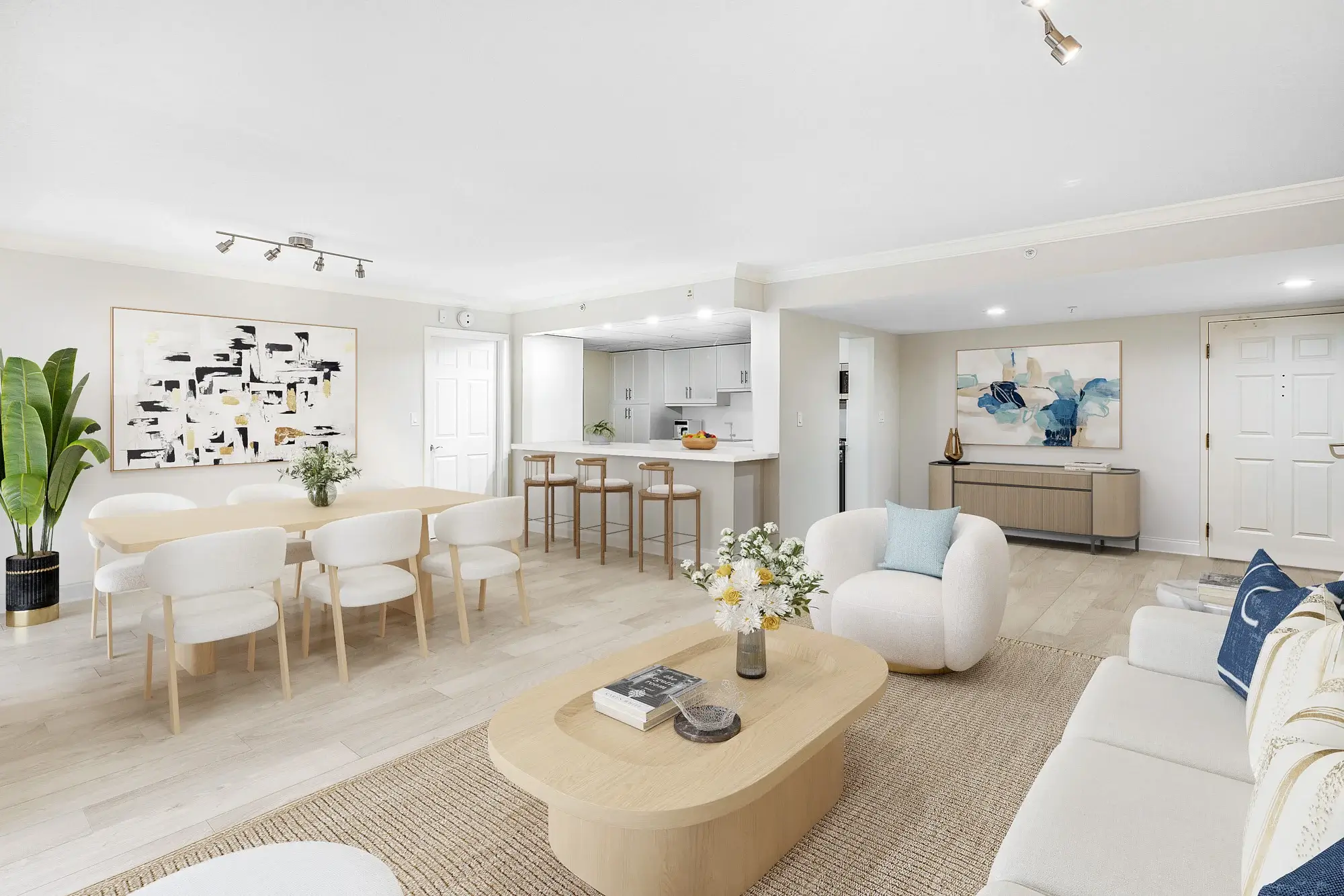
At Cascades at Delray, seniors and families can explore independent living options and see how the community’s apartments, services, and amenities fit their preferences. A personal visit is a helpful way to ask questions and get a clearer picture of everyday life.